
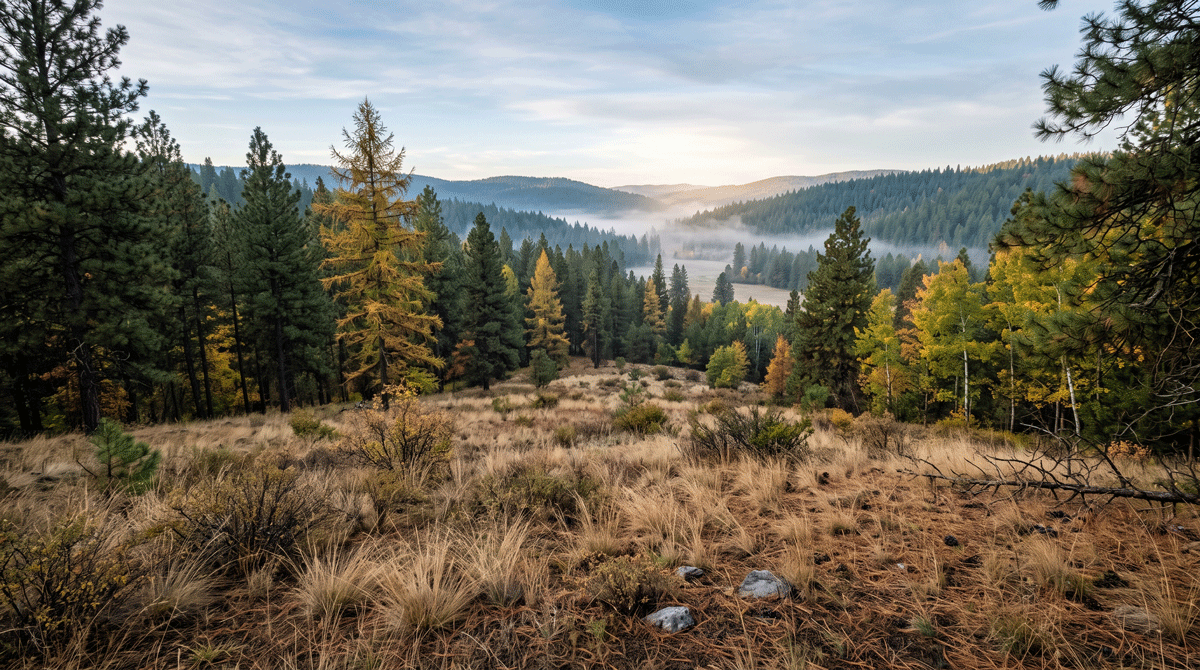
Most people picture a custom home starting on the day the excavator shows up. From the outside, that’s when the project looks real.
But that’s not when the project actually starts. By the time equipment rolls onto the site, a lot of work has already happened. The land has been evaluated. The house has been designed and priced. Engineering is done, permits are approved, financing is lined up, and hundreds of decisions have been made about everything from the roof pitch to the kitchen layout.
That early work determines whether construction goes smoothly. And if you want to break ground in 2027, most of it needs to happen before then. Here’s what that planning involves, why it takes longer than people expect, and what you can do this fall to get ahead of it.
The Build Is the Second Half of the Project
It helps to think of a custom home as two projects. The first is figuring out exactly what you’re building. The second is building it.
The first project is where the big decisions get made, and where you can save or lose the most money. Changing a wall on paper costs almost nothing. Changing it after the framing is up is a different story.
At Elk Run, we break the work into five connected phases: discovery and land, design and budget, preconstruction, construction, and handover. Three of those five happen before anyone starts building. That’s not an accident. Each phase hands the next one the information it needs, so nothing important gets decided late.
What Has to Happen Before Construction Starts
Every project moves at its own pace, and the order can shift a little depending on the land and the home. But nearly every 2027 build will need these pieces in place first.
Getting Clear on the Land
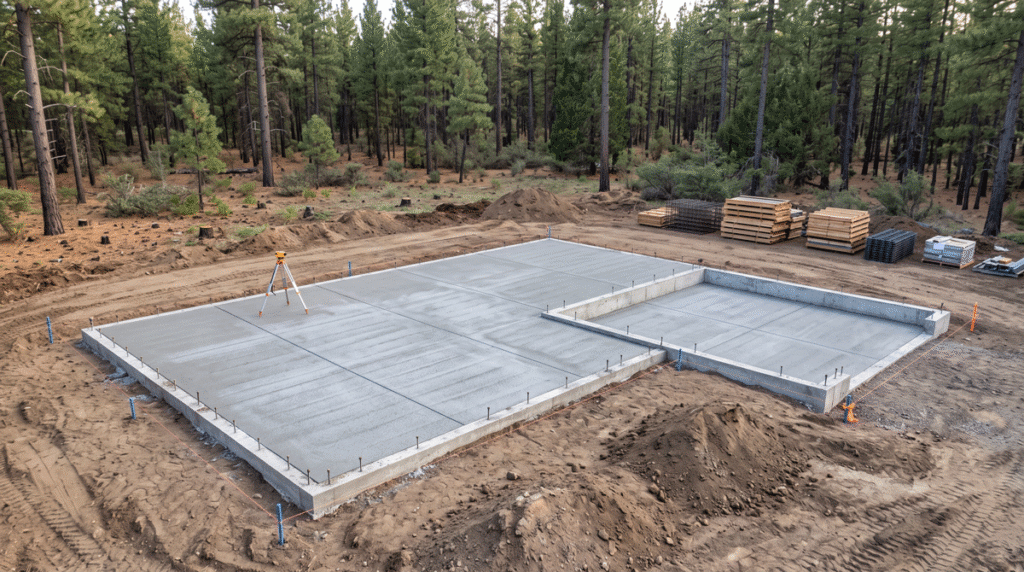
If you already own land, the first job is understanding what it will support. That means septic feasibility, water, power, access, slope, setbacks, and anything else that affects where and how the house can sit. We covered this in detail in what to check on your land first.
If you don’t own land yet, you’re not behind. You’re actually in a good spot to avoid mistakes. Elk Run offers land purchase guidance, so you can have a builder look at a parcel before you commit to it. Buying land that fits the home you want is much easier than making a home fit land that doesn’t.
Design and Selections
This is the part most people look forward to, and it’s also the part that takes the most back-and-forth. A good design works with your site, fits your budget, and reflects how your family actually lives. That usually takes a few rounds.
Elk Run works with experienced residential drafters and architects, and our team connects the plans to the home’s exterior character, finishes, and everyday function. Design and selections also shape the budget, so the sooner those decisions start, the sooner you have real numbers to work with.
Budget and Financing
Early on, you need a planning range, not a final price. That range should account for the house, the site work, the finish level, and the big scope decisions like a shop, a daylight basement, or a long driveway. Our guide on what actually moves a custom-home budget walks through the factors that matter most.
If you’ll be using a construction loan, talk to a lender early. Construction financing works differently from a regular mortgage. Lenders typically want to review the plans, specifications, budget, and builder information before they commit. That means your design and pricing need to be fairly far along before the loan can close, and the loan often needs to close before construction can begin.
Engineering and Permits
Once the design is settled, the plans go through engineering and then to the permitting office. Which office that is depends on where your land sits. Parcels in unincorporated Spokane County, inside a city like Deer Park, and in Kootenai County all follow different processes. Septic approvals run through the local health district on their own track.
You can’t rush permit review from your end. The best thing you can do is submit complete, well-prepared plans so the review doesn’t bounce back for corrections.
Why Starting This Fall Makes Sense
Here’s the practical reality of building in the Inland Northwest: the weather sets part of the schedule.
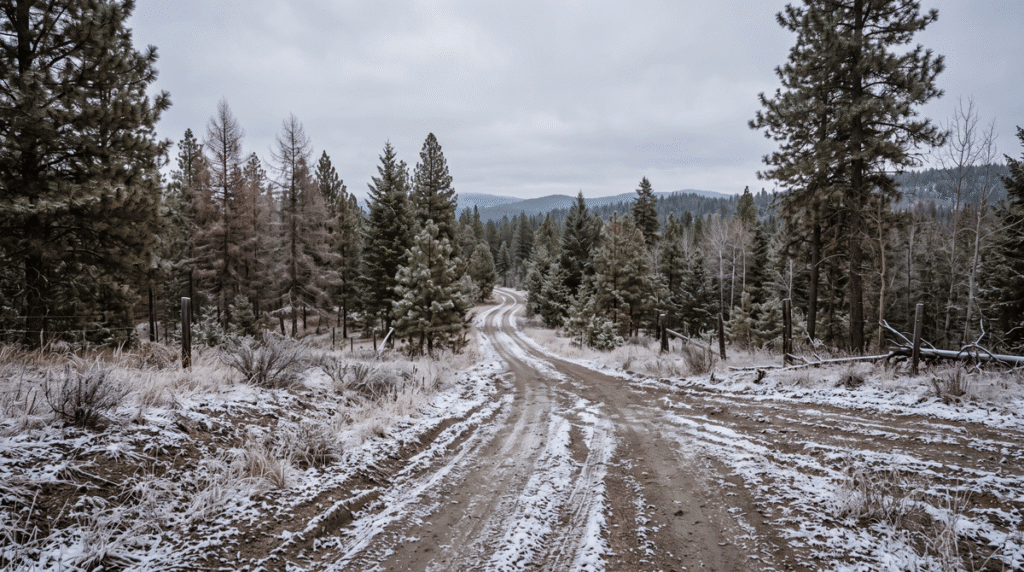
Frozen ground, snow, and spring road conditions can all affect when site work and foundations can happen. Many rural roads around Spokane and North Idaho get soft during spring thaw, which can limit heavy trucks. So there’s a natural rhythm. Planning happens during the colder months, and construction starts when the ground and roads allow it.
If you begin planning in the fall, the design, pricing, and permitting work can move forward through the winter. That puts you in a position to start construction when conditions are right, instead of finishing your design just as the good building season is getting underway.
The builder’s schedule is another factor. Good custom builders take on only a limited number of homes at a time because each one needs real attention. Getting on a builder’s calendar early gives you more say in when your project starts.
What Rushing the Planning Usually Looks Like
When the planning gets squeezed, the same problems tend to show up. Decisions that should have been made on paper get made in the field, under pressure, with crews waiting. Selections get picked from whatever is available instead of what you actually wanted. Budget surprises appear late, when there are fewer ways to adjust.
None of that means the house turns out badly. It just means the process is more stressful than it needs to be, and you have fewer good options along the way.
The opposite is also true. When the land is understood, the design is settled, and the budget is realistic before construction starts, the build itself tends to feel calmer. You’re confirming decisions instead of scrambling to make them.
What You Can Do Right Now
You don’t need a finished plan to start. You need to start the conversation. Here’s what’s worth doing this fall:
- Gather what you know about your land. Address or parcel number, any survey, septic or well records, and photos. Our site-readiness checklist is a good place to start.
- Think about how you want to live in the house. Not square footage yet. Think about routines, who’s living there, what spaces matter, and what frustrates you about your current home.
- Set a rough planning range. It doesn’t need to be exact. It just needs to be honest.
- Talk to a lender. Find out what they’ll need from you and your builder for a construction loan.
- Work through the big questions. Answering the 12 questions before you choose a floor plan will help you spot gaps early.
- Have a first conversation with a builder. The earlier a builder sees your land and hears your goals, the more useful their input will be.
Frequently Asked Questions
How far in advance should I plan to build a custom home?
Earlier than most people expect. Land evaluation, design, pricing, engineering, permits, and financing must be done before construction starts. If you’re hoping to build in 2027, start planning now.
Can I start planning a custom home before I own land?
Yes, and it’s often the smartest time to start. A builder can help you evaluate parcels before you buy, so you choose land that fits the home, the budget, and how you want to live.
Do I need a construction loan before I start designing?
No, but you should talk to a lender early. Most construction loans require plans, specifications, and a builder budget before closing, so design and financing usually move forward side by side.
What should I bring to my first meeting with a custom home builder?
Bring your property address or listing, any survey or site information, your target timing, a rough planning range, and a short list of what the home needs to do for your family. You don’t need every answer. The gaps help show what to work on next.
Planning a 2027 Build? Let’s Start the Conversation
Elk Run Homes builds custom homes on our clients’ land across Eastern Washington and North Idaho, from Spokane and Deer Park to Coeur d’Alene and Sandpoint. We have room on our schedule for 2027 builds, and the families who start planning now will have the most flexibility on timing.
Tell us about your land, your timing, and the home you have in mind. We’ll help you figure out the right next step.